By Thorn Homes · Published
Planning a home extension or renovation is exciting, but there are lots of decisions to make before building work even begins. From kitchen layouts and window styles to structural details and finishing touches, the more information you have from the outset, the better prepared you'll be.
At Thorn Homes, we believe one of the best ways to de-risk your building project is to do your homework early. Good preparation helps you get a more accurate quote, make informed decisions and reduce the likelihood of unexpected costs or delays further down the line.
1. The More Information, the Better
When preparing a quote, a contractor will often make assumptions based on standard materials, fittings and specifications. While this provides a starting point, those assumptions might not reflect what you actually want for your home.
The more detail you provide at the quotation stage, the more accurately your contractor can price the work.
Think about your preferred layout, materials, finishes and fixtures. You don't necessarily need every decorative detail finalised, but having a clear direction makes it easier to identify what's included and where further decisions are needed.
2. Get Your Drawings and Technical Details in Place
Before work begins, make sure you have the relevant information needed to plan and price your project properly.
Depending on your extension, this may include:
- Architectural drawings showing the proposed layout.
- Building regulations drawings and specifications.
- Structural engineer's calculations and details.
- Window and door specifications, including styles, colours and manufacturers.
- Kitchen and bathroom layouts.
- Details of flooring, tiles, fittings and other finishes.
These details help your contractor understand exactly what's required, rather than relying on assumptions that could lead to changes later.
3. Start Making Decisions Early
It can feel overwhelming to make decisions about a project that hasn't even started, but the building phase often arrives quicker than you expect.
Take kitchens, for example. You might know you want a new open-plan kitchen and dining area, but have you decided on the layout, cupboard style, worktops, handles and appliances?
A handleless kitchen, a sleek matt finish or a traditional Shaker design will all have different specifications and costs. Visiting kitchen showrooms and exploring your options early gives you time to compare designs, ask questions and make a considered choice.
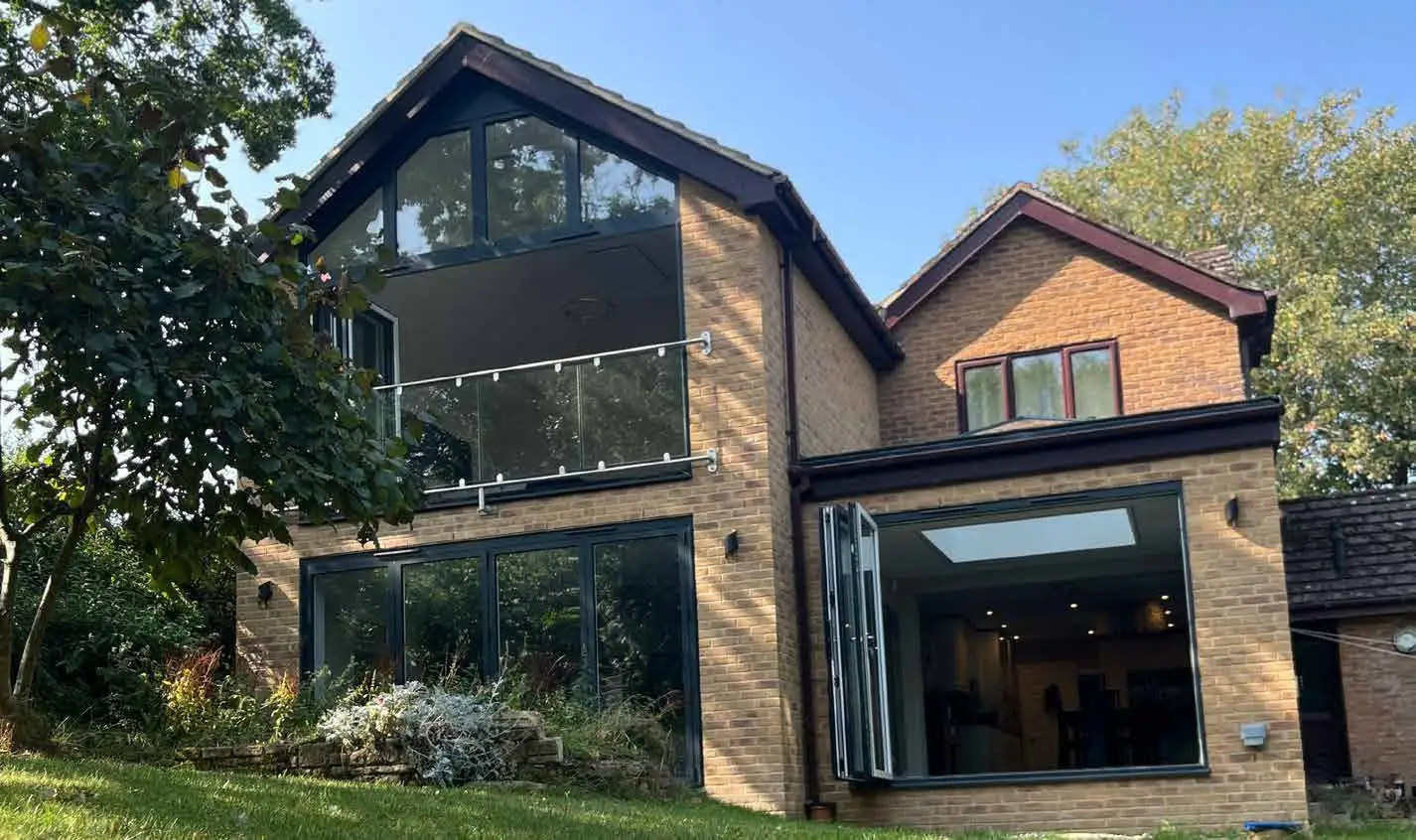
The same applies to windows, bi-fold doors, flooring and bathroom fittings. These decisions can take time, particularly when suppliers introduce options you hadn't previously considered.
4. Think About Practical Details, Not Just Appearance
As well as choosing how your finished extension will look, consider how you want it to function.
Where will the sink and oven go? How will you use the kitchen? Where should the electrical sockets be positioned? Which way should doors open? How much natural light do you want?
These details can affect layouts, plumbing, electrical work and structural requirements. Thinking them through early gives your design team and contractor more opportunity to plan everything properly.
You don't have to know every answer immediately, but start considering these questions well before they're needed on site.
5. Understand Your Budget and What's Included
Having more detailed specifications also helps you compare building quotes fairly.
If one contractor has priced for standard windows while another has included a specific style of bi-fold doors, their quotes won't be directly comparable. The same applies to kitchen allowances, flooring, bathroom fittings and other items.
Ask questions about provisional sums, material allowances and anything excluded from the price. Make sure you understand what could affect the final cost and how any changes will be agreed during the project.
The aim is to identify potential gaps early, rather than discovering them when the work is already underway.
6. Give Yourself Time to Get It Right
Gathering information, visiting suppliers and comparing options takes time. You may change your mind as you explore different products and ideas, and that's part of the process.
Starting early gives you the breathing space to make decisions without unnecessary pressure. It also helps your contractor plan the work, order materials and coordinate the different trades involved.
The more information you provide, the better equipped your contractor will be to deliver the project you want.
De-Risk Your Project With Thorn Homes
At Thorn Homes, we encourage homeowners to be as prepared as possible before their building project begins. Detailed drawings, clear specifications and well-considered choices all help create a more informed quotation and a smoother building process.
No project is entirely free from unexpected challenges, but good preparation can reduce uncertainty and help you manage potential risks.
If you're planning a home extension or renovation in Gloucestershire, get in touch with Thorn Homes to discuss your ideas and find out how we can help you plan your project with confidence.