By Thorn Homes · Published
It's usually the first question homeowners ask us: do I need planning permission for my extension? The honest answer is: it depends on the type of extension, its size and where your house is. This guide explains the main rules for houses in England and how they apply across Gloucestershire.
It's a starting point, not legal advice. Your architect or the local council will confirm what applies to your home.
Permitted development: building without applying
Many houses have permitted development rights. These let you build some extensions without a full planning application, as long as you stay within set limits. The main limits are:
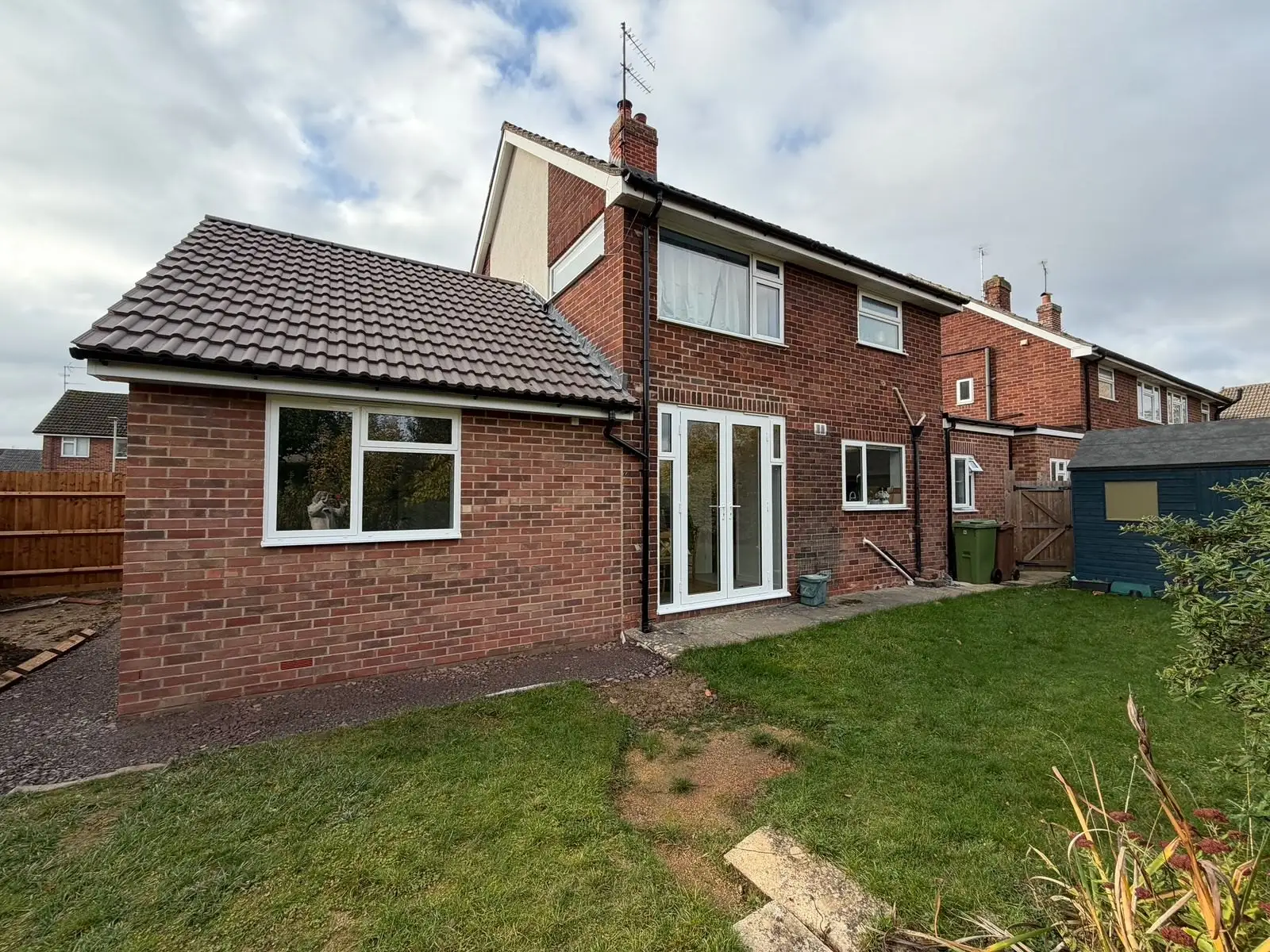
- Single-storey rear: up to 3m deep on a semi-detached or terraced house, or 4m on a detached house, and no more than 4m high.
- Larger rear extensions: up to 6m (attached) or 8m (detached) using the prior approval process, where the council notifies your neighbours.
- Single-storey side: no more than 4m high, and no wider than half the width of the original house.
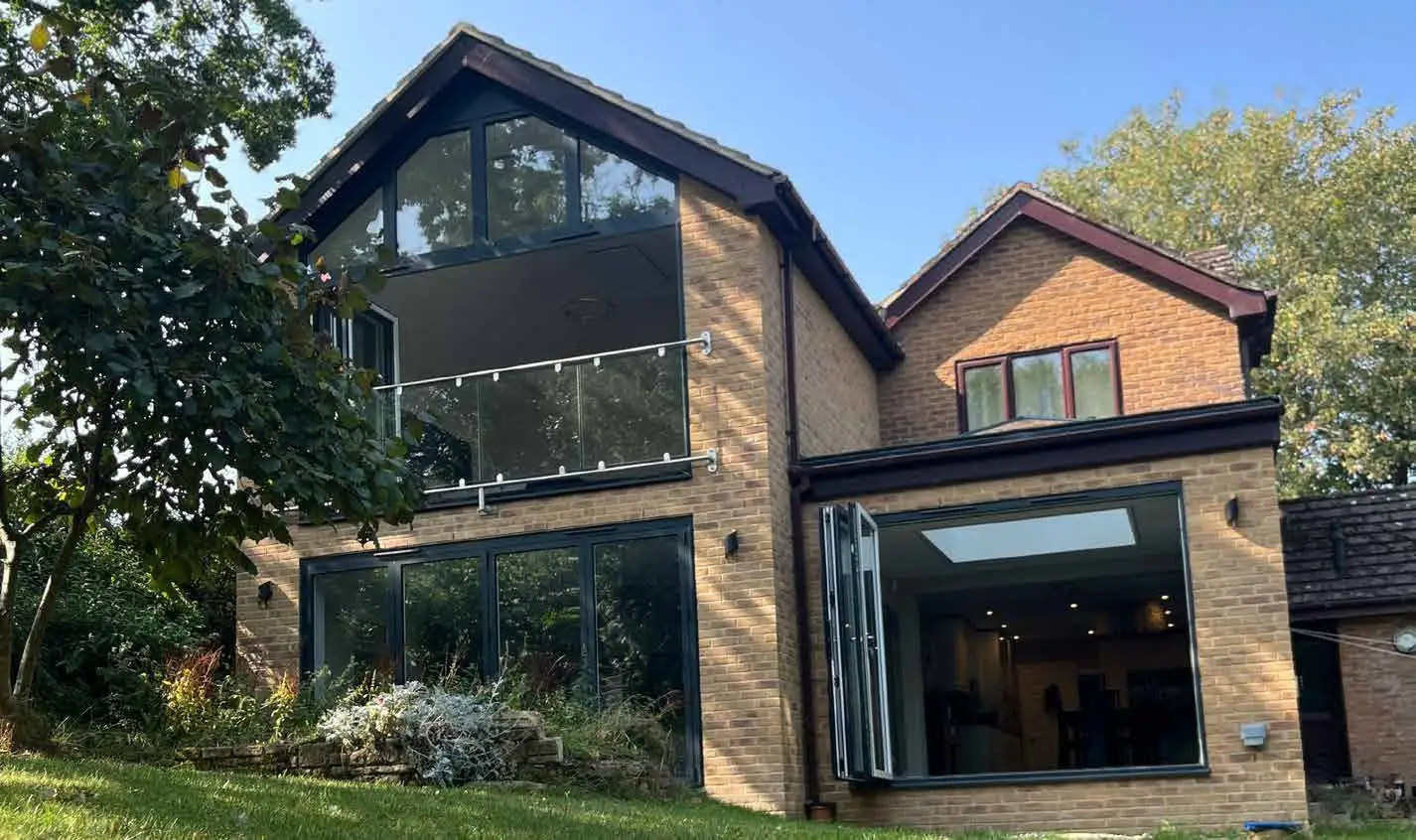
- Two-storey rear: up to 3m deep and at least 7m from the rear boundary.
- Close to a boundary: if the extension is within 2m of a boundary, the eaves can be no higher than 3m.
- Overall: extensions and outbuildings can cover no more than half the land around the original house, and materials should look similar to the existing house.
When you need planning permission
You will usually need to apply if any of these apply:
- The extension goes beyond the limits above, faces a road, or is a two-storey side extension.
- Your home is in a conservation area or a National Landscape. Large parts of the Cotswolds are covered, and side extensions and cladding are not permitted development there.
- Your home is a listed building. Listed building consent is also needed for most changes.
- Your home is a flat or maisonette, or its permitted development rights were removed when it was built. This is common on newer estates.
Your local council in Gloucestershire
Applications go to your district council: Cheltenham Borough Council, Gloucester City Council, Tewkesbury Borough Council, Stroud District Council, Cotswold District Council or the Forest of Dean District Council. Most householder applications are decided within about 8 weeks of being accepted. Each council's website lets you check whether your home is in a conservation area and look up past applications on your street.
Get certainty with a Lawful Development Certificate
Even when your extension is permitted development, a Lawful Development Certificate from the council confirms it in writing. It costs much less than a planning application and helps when you sell the house. We recommend it for most permitted development projects.
Planning is not the same as building regulations
Almost every extension needs building regulations approval, whether or not it needs planning permission. Building Control checks the structure, insulation, drainage, fire safety and electrics, and issues a completion certificate at the end.
How we help
Our sister company PSK Architect, or an independent architect of your choice, can prepare the drawings, the planning or prior approval application and the building regulations drawings. We then price and build from them. Try the extension planner on our homepage to see what you could add, then talk to us about your plans.
Planning a home extension?
Tell us what you have in mind and we'll arrange a free, no-obligation visit.
Get in touch