By Trevor Thorn · Published
When planning a house extension or renovation, understanding your building quotation is essential to keeping your budget on track. One term you’re likely to come across is provisional sums.
But what are they, why are they included in a quote, and how could they affect the final cost of your project?
In this blog, Trevor Thorn of Thorn Homes explains what provisional sums mean, where they’re commonly used and how you can reduce the risk of unexpected costs.
What is a provisional sum?
A provisional sum is an estimated allowance included in a building quotation for work that cannot yet be accurately priced. This might be because certain details haven’t been finalised or the existing structure needs further investigation.
Provisional sums may be included by your architect or your building contractor to ensure the quotation reflects the anticipated cost of the project as closely as possible.
Common examples include:
- Structural steelwork: where the structural engineer hasn’t yet specified the steel sizes and requirements.
- Plumbing and heating: where the existing pipework and heating system cannot be fully assessed before work begins.
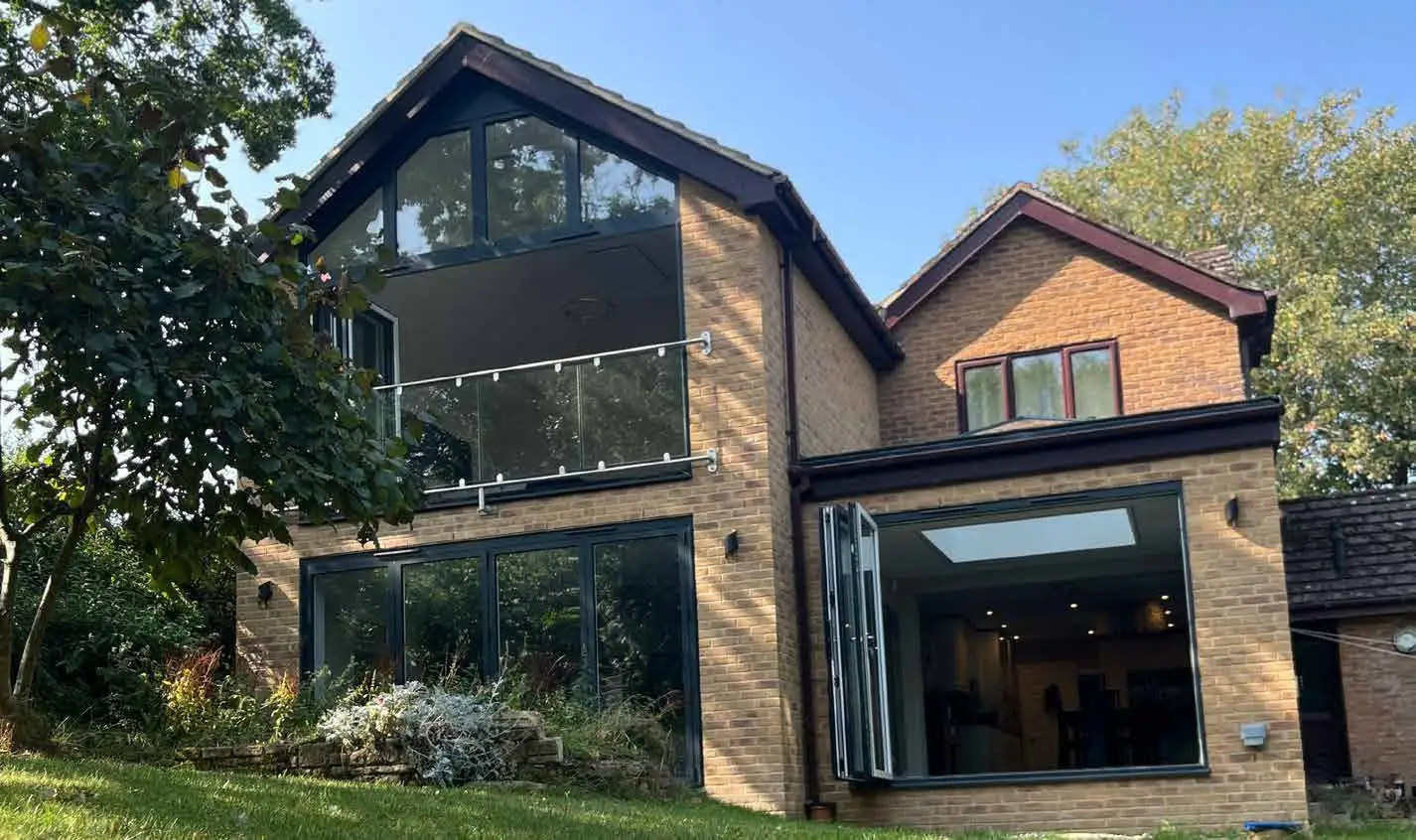
- Bi-fold doors: where the final specification and cost of the doors haven’t been confirmed.
The important thing to remember is that a provisional sum is an allowance, not a guaranteed final price.
Why are provisional sums included in building quotes?
In an ideal world, every element of your project would be fully specified before you receive a quotation. In practice, this isn’t always possible.
For example, when you’re applying for planning permission for an extension, you may not want to pay for detailed structural engineering calculations until planning permission has been granted. If your plans change, you could otherwise end up paying for revised architectural drawings and engineering designs.
However, your builder still needs to provide a quotation before all these details are available.
A provisional sum allows them to include a realistic allowance for the anticipated work, helping you understand the likely overall cost of your project without committing to every detail too early.
How can provisional sums affect your budget?
The allowance needs to be realistic and appropriate for the work involved.
For example, if structural steelwork is expected to cost several thousand pounds, an allowance of £4,500 might be reasonable for one project but insufficient for another. If the final cost comes in at £7,500, the difference will need to be accounted for.
If the original allowance was £6,000, the additional cost would be £1,500. If the allowance was only £500, however, the increase would be £7,000.
This is why it’s important to look beyond the overall quotation and understand what has been allowed for within it. A quote that initially appears cheaper may not offer the best value if it contains unrealistically low provisional sums.
Equally, the final cost could be lower than the allowance if less work is required than anticipated.
How are provisional sums finalised?
Once the outstanding information becomes available, your contractor can reassess the allowance and calculate the actual cost of the work.
Taking structural steelwork as an example, once planning permission has been granted and the structural engineer has provided the necessary calculations and specifications, your builder can obtain a more accurate price.
The original allowance is then taken into account, with the difference reflected in the final account or an agreed variation, in accordance with your contract.
This adjustment can work in your favour if the work costs less than expected, or it may mean an additional payment if the final cost is higher.
Can you avoid provisional sums?
Sometimes, yes. However, if you want a quotation before planning permission has been granted or before essential technical details are available, some provisional sums may be unavoidable.
Your contractor may instead exclude certain items from the quotation altogether, making it clear that they will be priced separately once the necessary information is available.
Alternatively, if you have already obtained planning permission and completed your structural engineering designs, your builder may be able to provide a more accurate, fixed price for elements such as steelwork.
The more information you can provide at the quotation stage, the easier it is to reduce uncertainty and establish a clearer budget.
How to reduce the risk of unexpected costs
When reviewing a building quotation, we recommend taking the following steps:
- Check every provisional sum. Make sure you understand which items are allowances rather than confirmed prices.
- Ask whether the figures are realistic. Each allowance should relate directly to the work required and reflect a sensible estimate of the likely cost.
- Compare like with like. When comparing builders’ quotations, check that similar work has been included and that the provisional sums are comparable.
- Provide as much information as possible. Detailed drawings, specifications and engineering calculations can help your builder price the work more accurately.
- Keep a contingency in your budget. Even with careful planning, unforeseen work or changes to specifications can affect the final cost.
Planning your project with confidence
Provisional sums are a normal part of many building quotations, particularly for extensions where some technical details cannot be confirmed at the outset. They aren’t necessarily a warning sign, but they do need to be understood.
At Thorn Homes, we believe it’s important for homeowners to know what their quotation includes, where allowances have been made and how these could change as the project develops.
Watch Trevor’s video above for a practical explanation of provisional sums, including examples of structural steelwork, plumbing, heating and bi-fold doors, and advice on what to look out for when reviewing your building quotation.
If you’re planning an extension or renovation and would like to discuss your project, get in touch with Thorn Homes to find out how we can help.